The Gallery
Glyphhaus
Case Study No. 006
Project by Glyphhaus
Client: The NC Tarot
Year: 2026
Deliverables: 78-card deck + handbook + 400-page course
Role: Art direction · AI-assisted illustration workflow · editorial design
What this project demonstrates:
- Constraints that kept a consistent woodcut/engraving aesthetic across wildly different subjects
- Selection: AI produced candidates, most were rejected, final picks were curated
- Integration: final assets weren’t “generated images” — they were finished into a usable design system (typography, borders, marks, layout)
- Scale: shipped as a repeatable pipeline, not a one-off lucky prompt
Jump to → Brief · Workflow · Process Proof · Design System · Editorial Integration · Tools
1. Brief
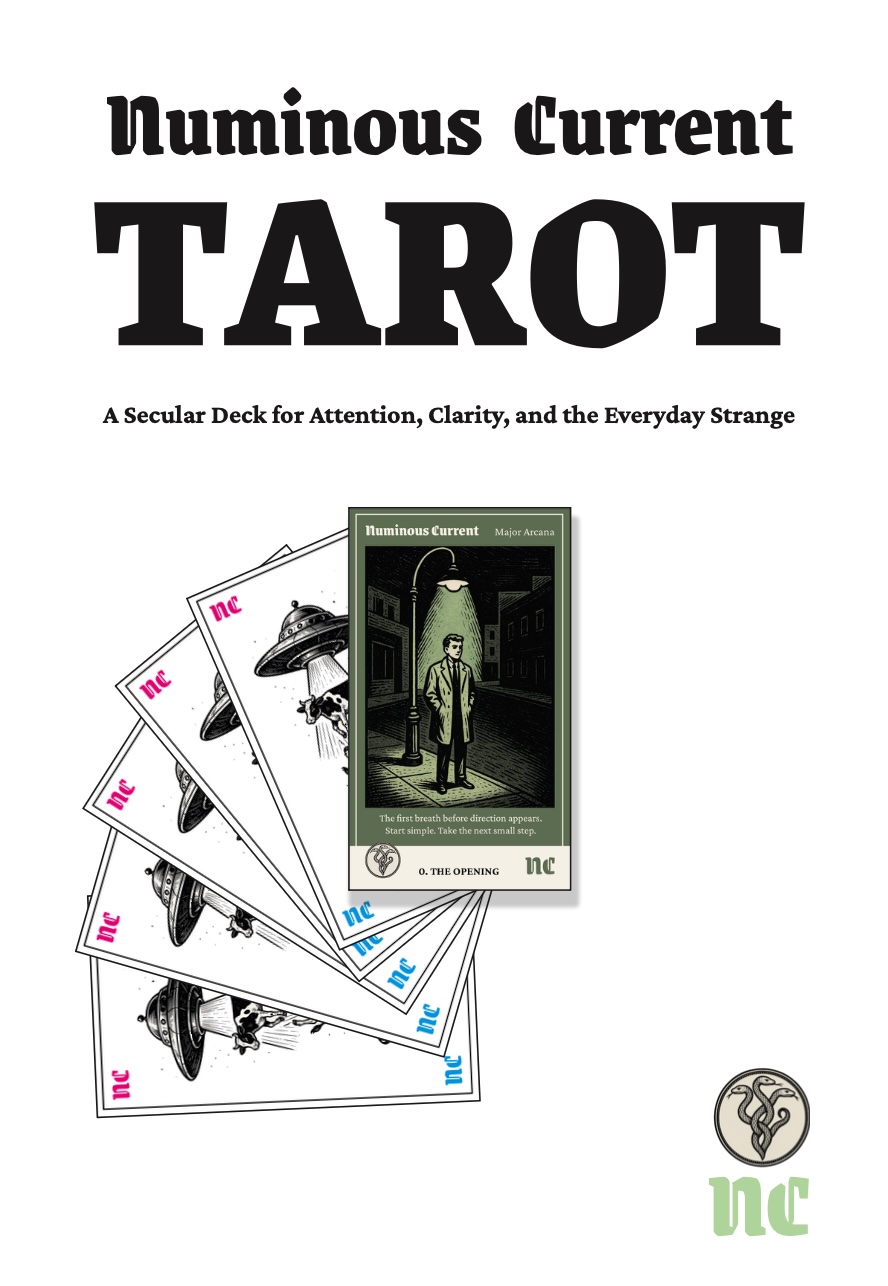
Numinous Current Tarot is a secular deck for attention, clarity, and the everyday strange.
The goal was to ship a complete, coherent visual world: a 78-card deck with consistent woodcut/engraving aesthetics,
a repeatable card template, and enough range to hold across wildly different subjects without style drift.
Constraint: speed and volume. The output had to feel designed, not “AI-generated”.
That meant treating AI as a candidate generator — and treating art direction, selection, and integration as the craft.
2. Workflow
Each card followed a repeatable loop:
Micro-brief (subject, mood, composition, what must stay constant) →
candidate generation under strict style constraints →
high-rejection curation (most candidates fail subtly) →
selection →
integration into the card system (typography, borders, labels, marks, suit logic).
The guiding rule was simple: consistency beats novelty. One impressive outlier is useless if the deck collapses at card 27.
3. Process Proof
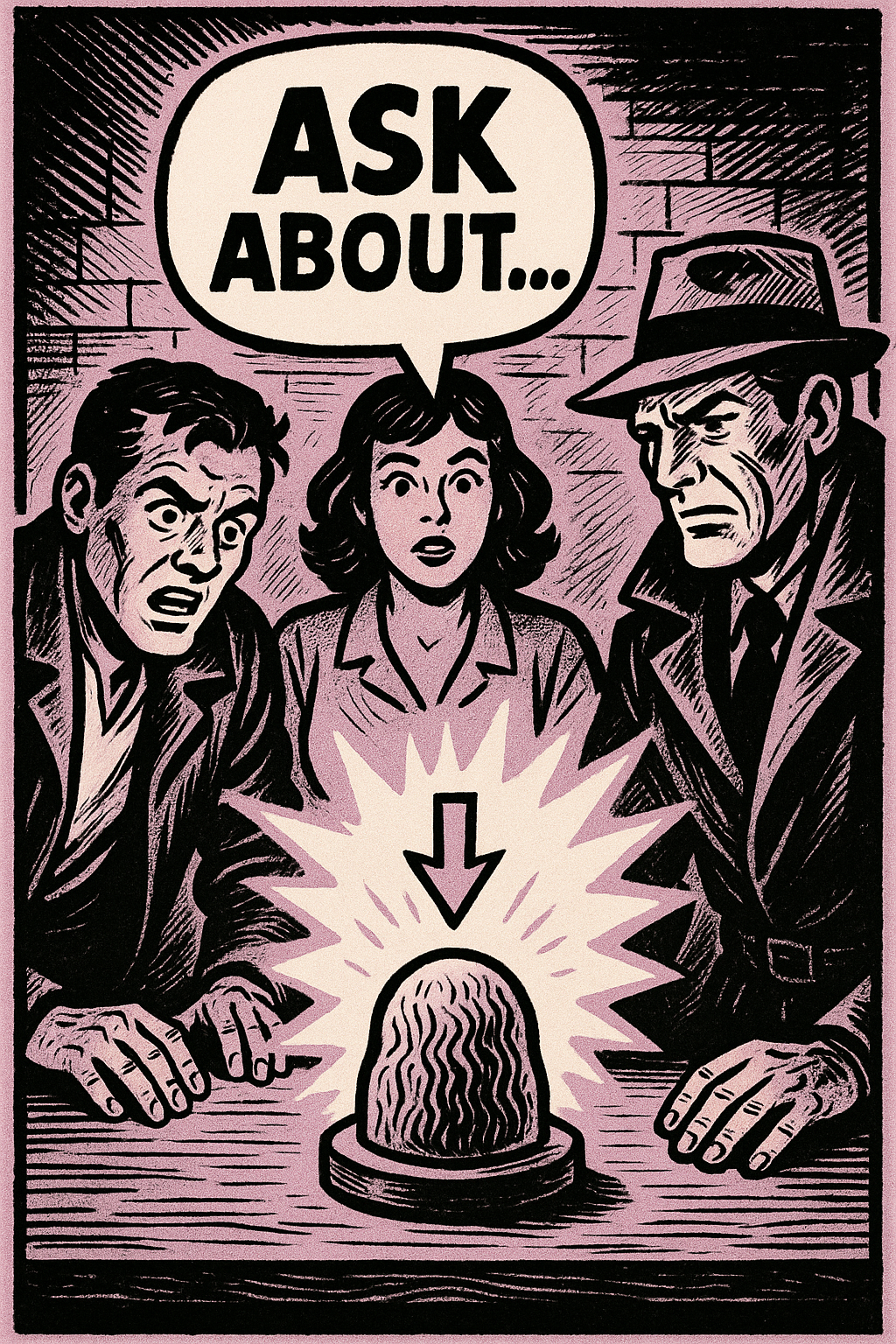
Selection (misses vs. final):
AI output is cheap; coherent direction is not. Most candidates were rejected for small but fatal reasons:
the linework gets too smooth, the lighting turns cinematic, the composition becomes “AI-clever”, or the mood slips out of the deck’s register.
The final images were chosen because they obey the deck’s visual constitution — not because they were the flashiest option.
Prompting as a template system:
The prompts were intentionally formulaic to keep the deck consistent at scale.
I worked with a repeatable base prompt (“retro ink drawing on white background”) and then swapped only a few controlled variables:
color, subject, and style notes specific to the card.
Consistency was reinforced by iterating from previous successful cards (using the last result as a visual anchor), not by chasing novelty.
Curation: the key decisions were choosing the right subject framing and keeping the output inside the established look — rejecting images that introduced “AI sheen”, modern rendering cues, or compositional drift.
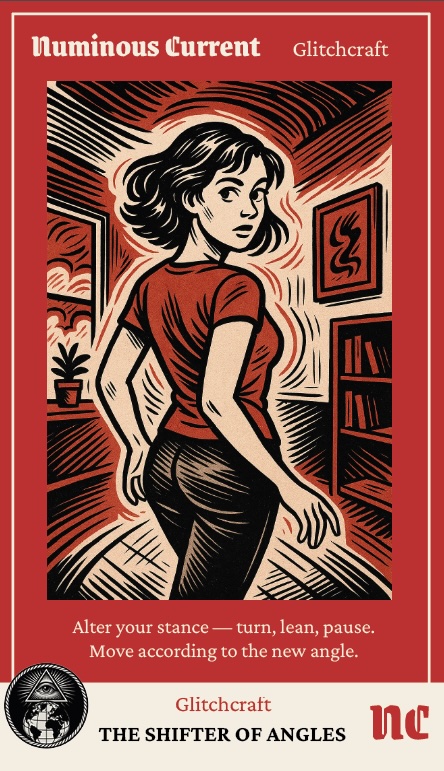
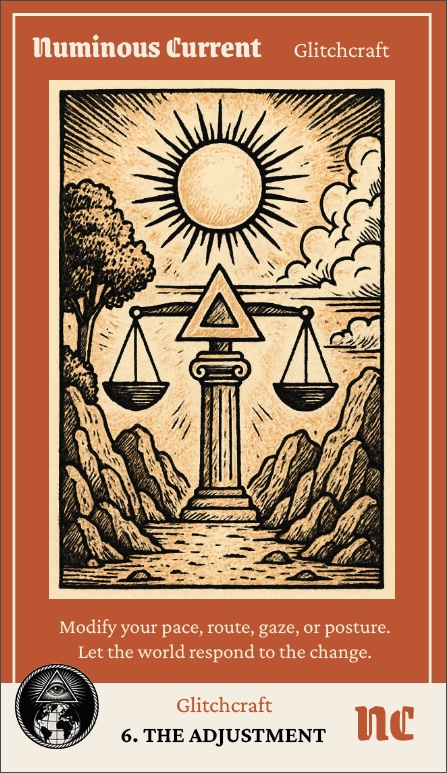
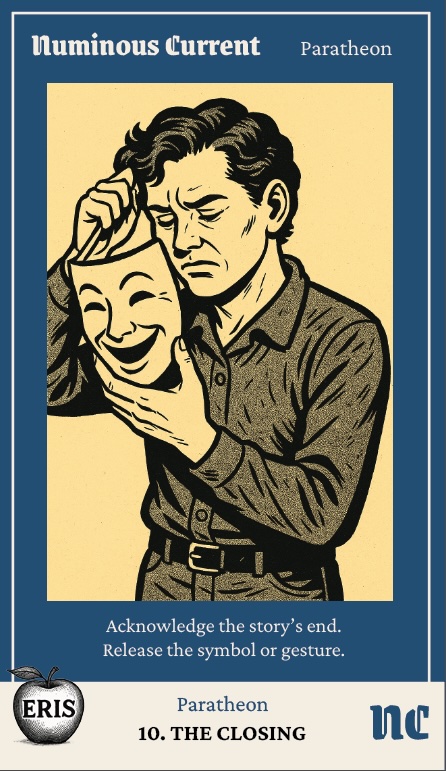
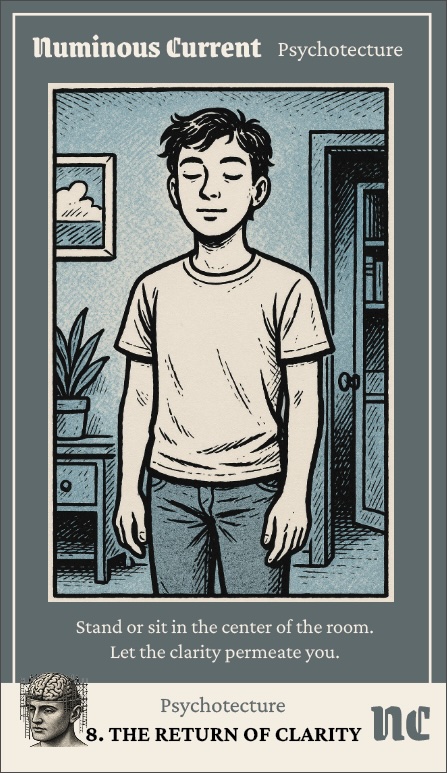
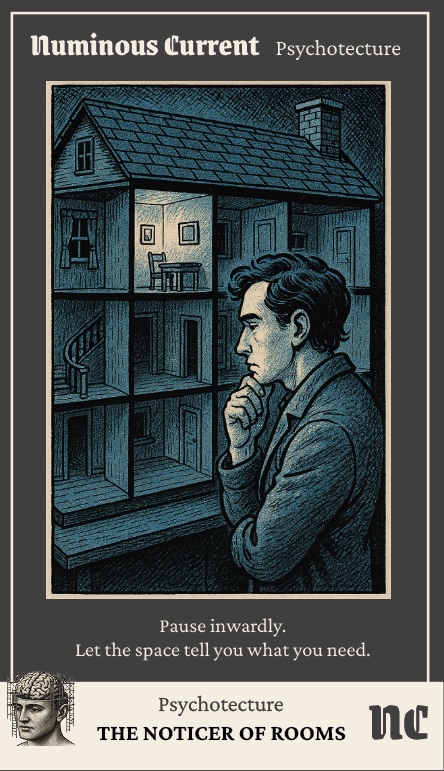
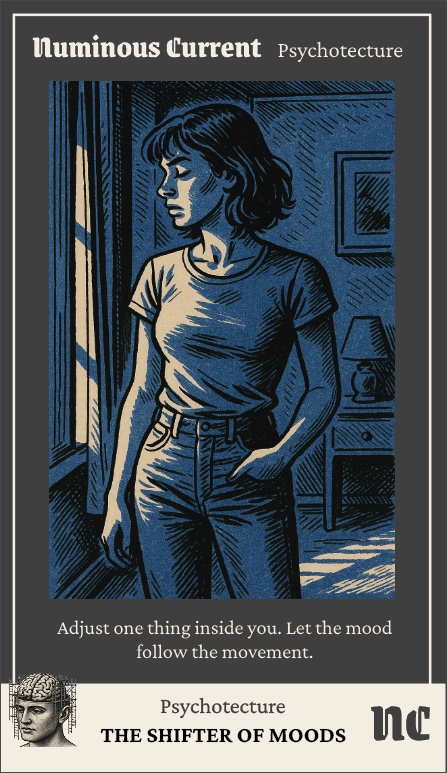
Integration (image → shippable asset):
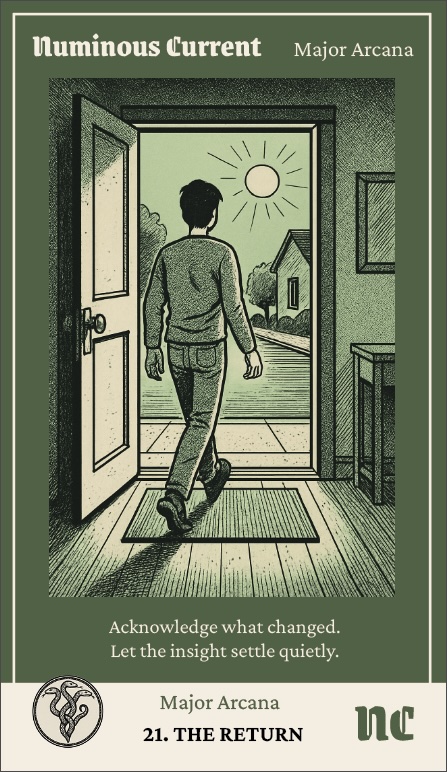
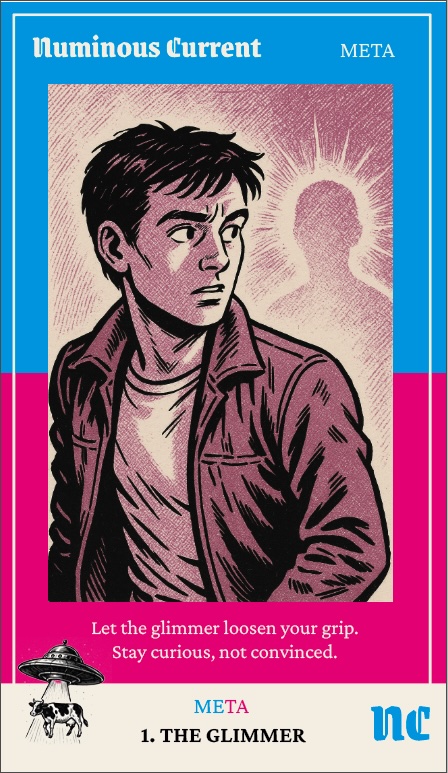
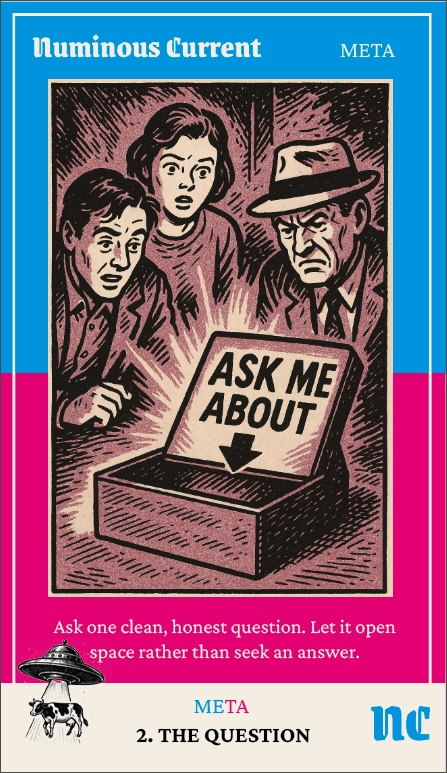
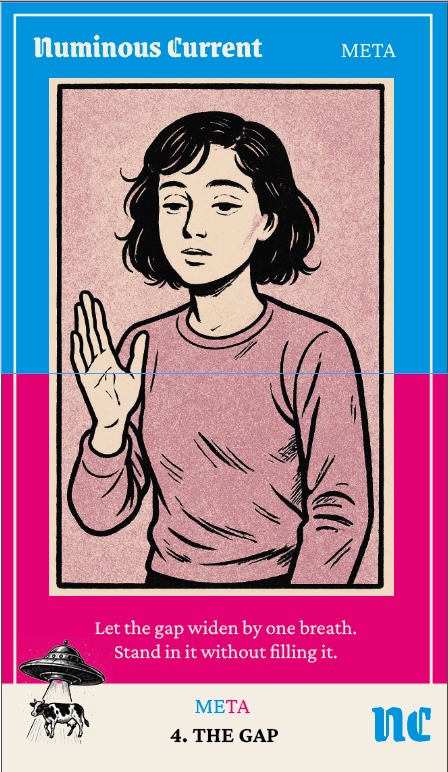
The finished deliverable isn’t the raw image — it’s the card as a product unit:
typographic hierarchy, border rules, title/numbering, monogram placement, and suit color logic that stays stable across the full set.
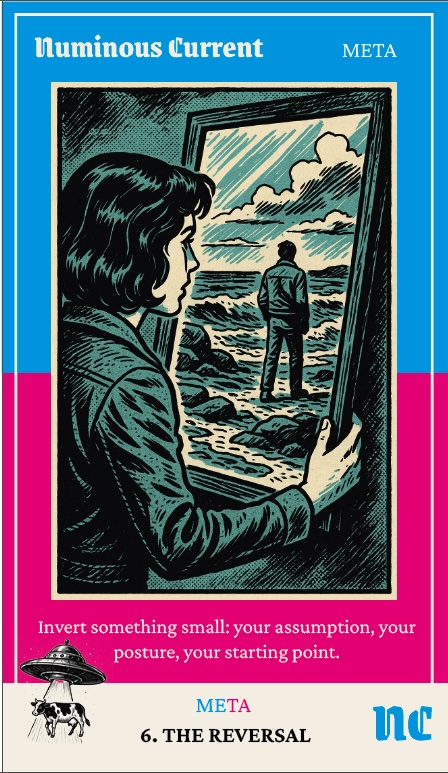
4. Design System
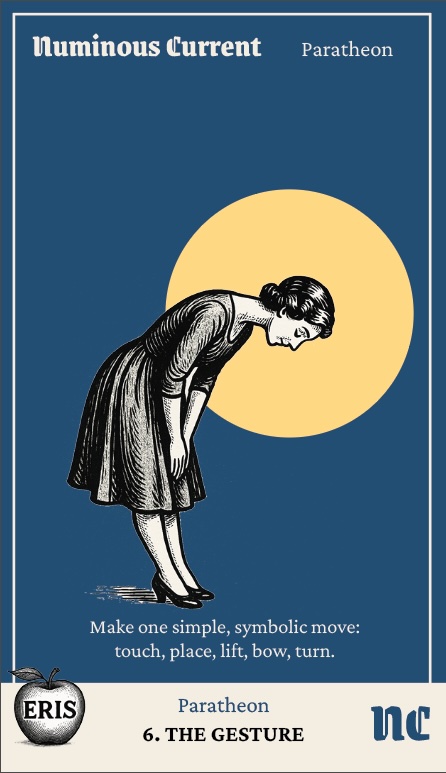
The deck is built as a template so the visual language survives scale:
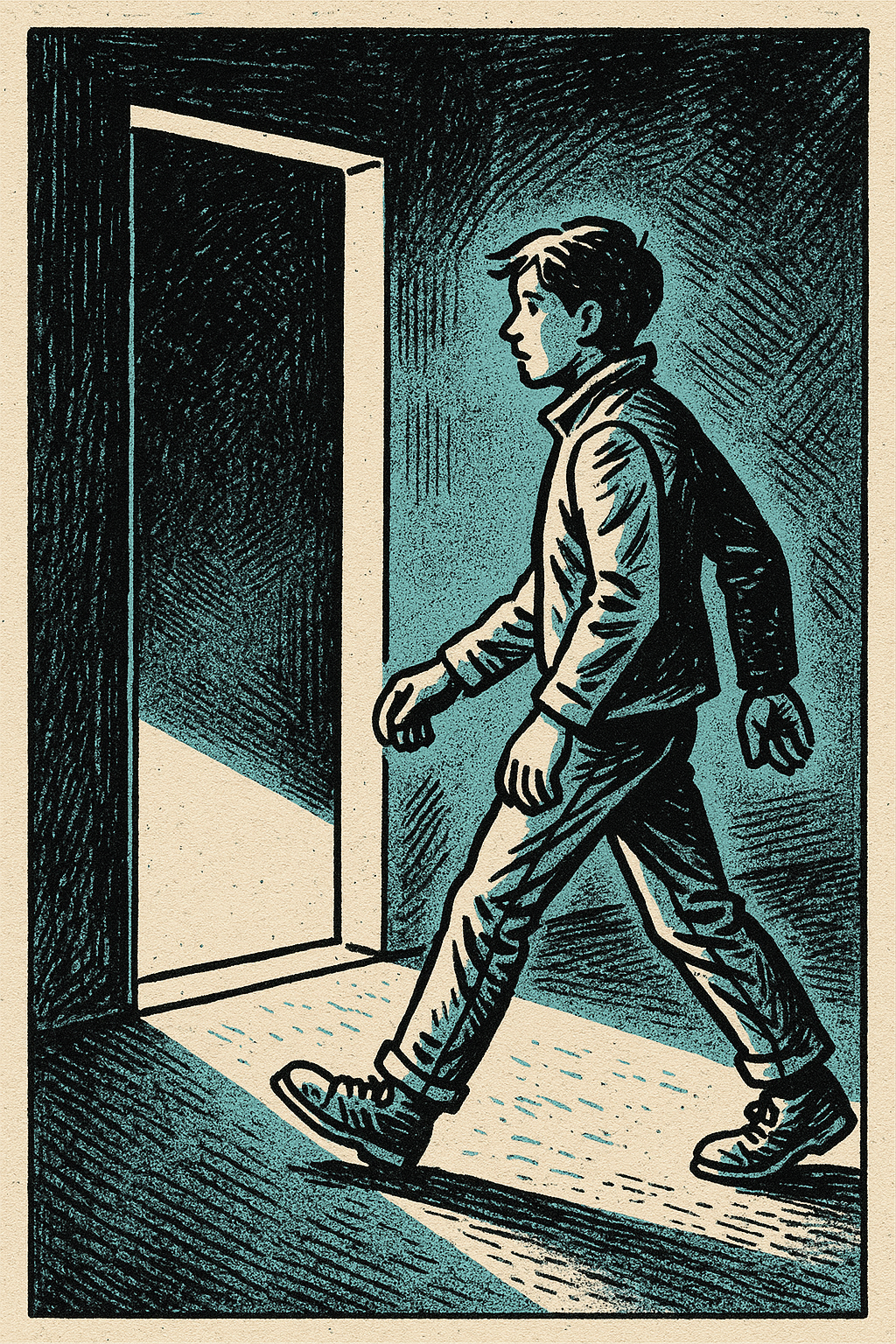
consistent header + category label, fixed margins, stable border treatment, emblem placement, and the NC monogram as an anchor.
This is what turns “a collection of images” into a coherent library of assets that can be printed, published, and extended.
Example shown: The Drop — minimal composition, strong icon, consistent frame.
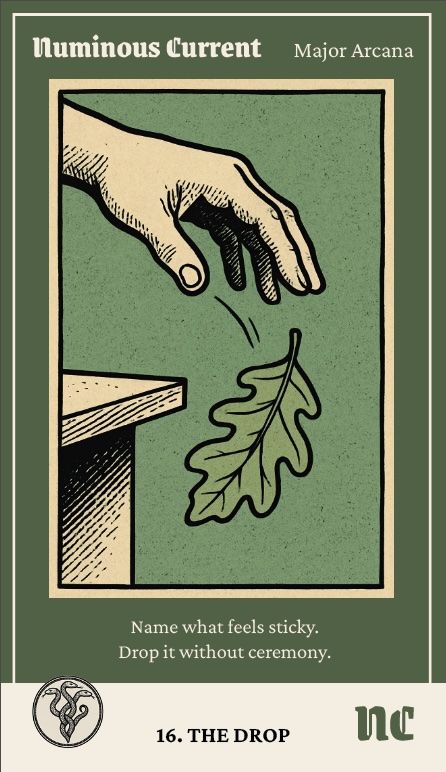
The card template (header, numbering, border rules, monogram placement) stays stable — the illustration changes, the system doesn’t.
5. Editorial integration
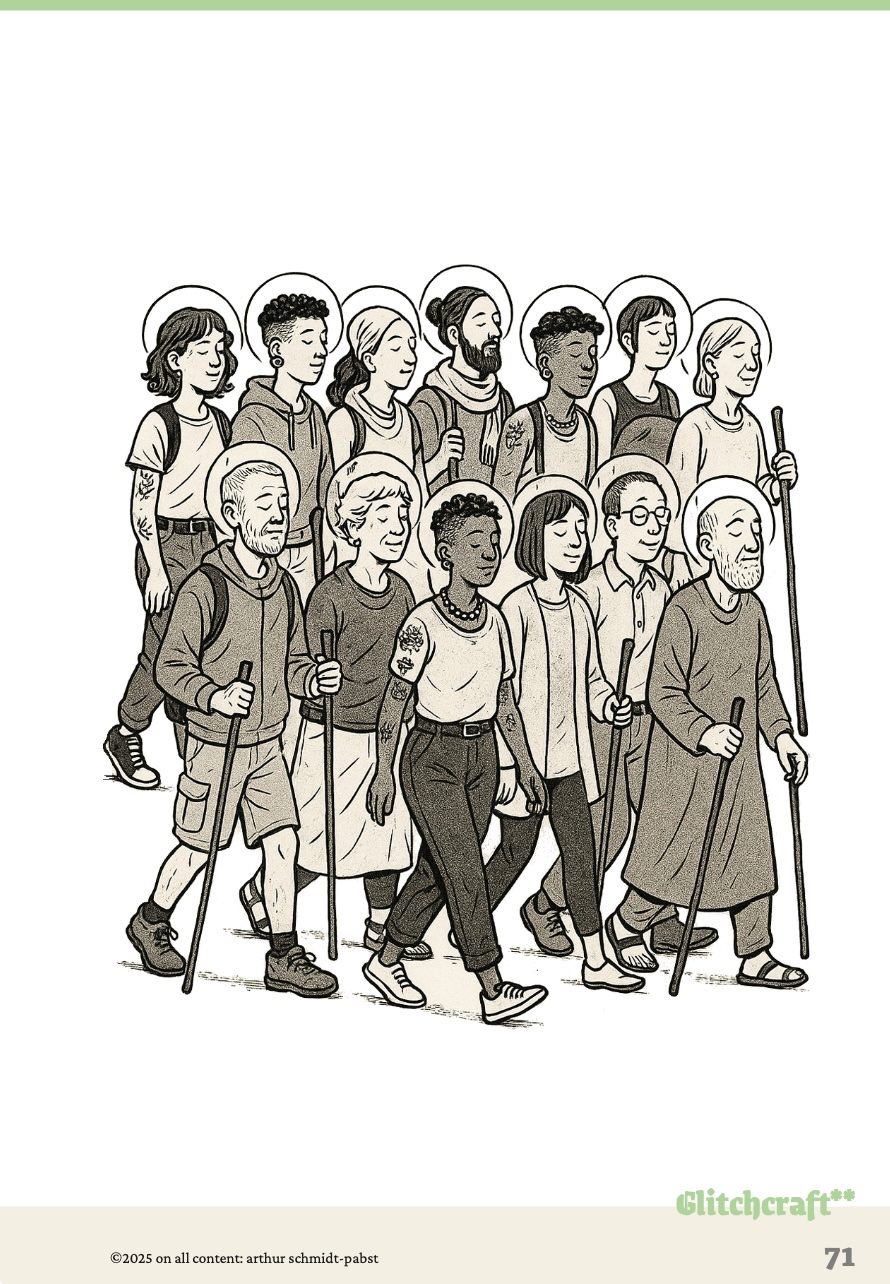
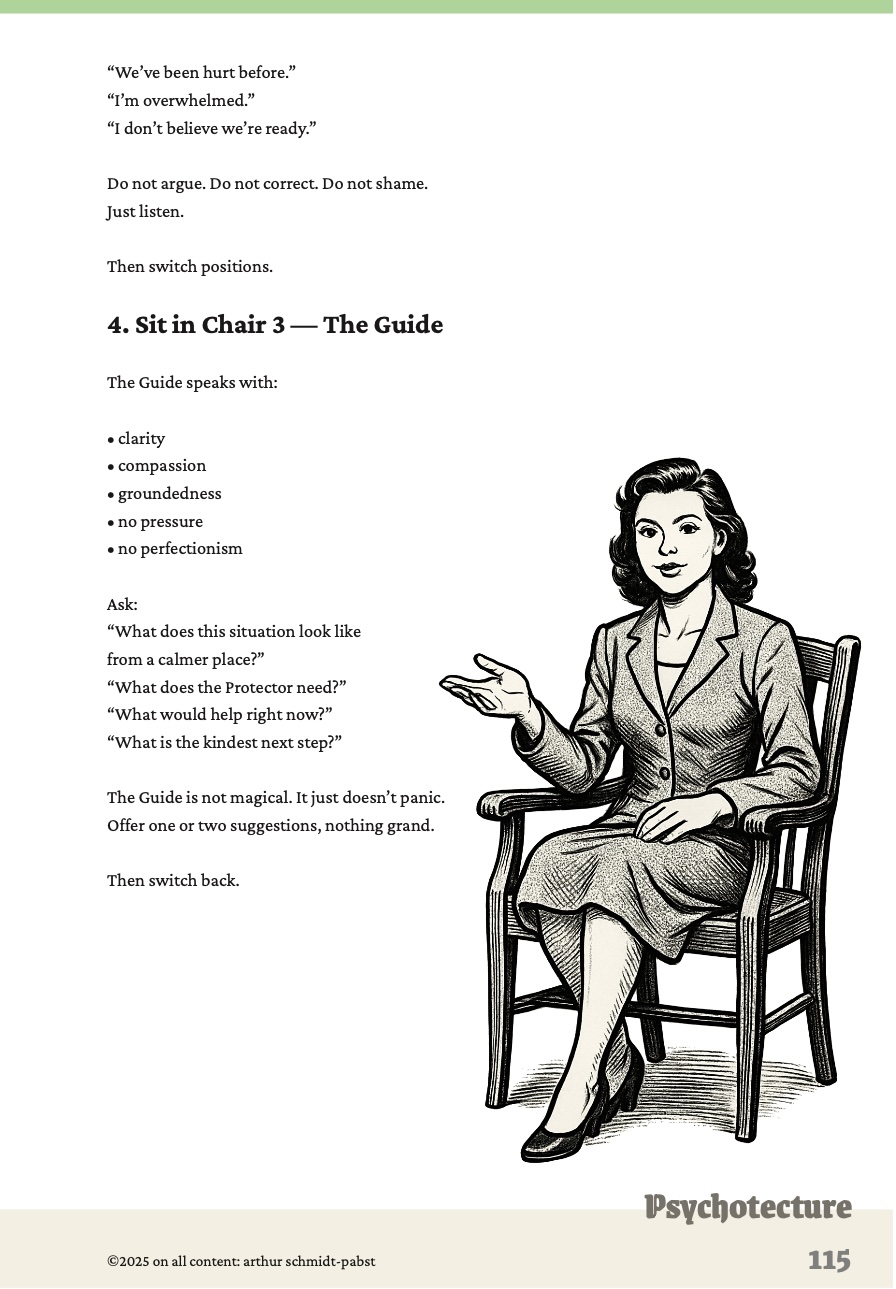
The same visual language was applied to long-form content: a companion handbook and a 400-page course.
This is where AI work often fails — not at generation, but at layout discipline.
The goal here was cohesion at scale: readable page rhythm, consistent typography, and illustrations that support the text instead of hijacking it.
Editorial plates (click to zoom):
One hero page to show the typographic system + illustration integration, plus supporting plates to prove consistency across the course.
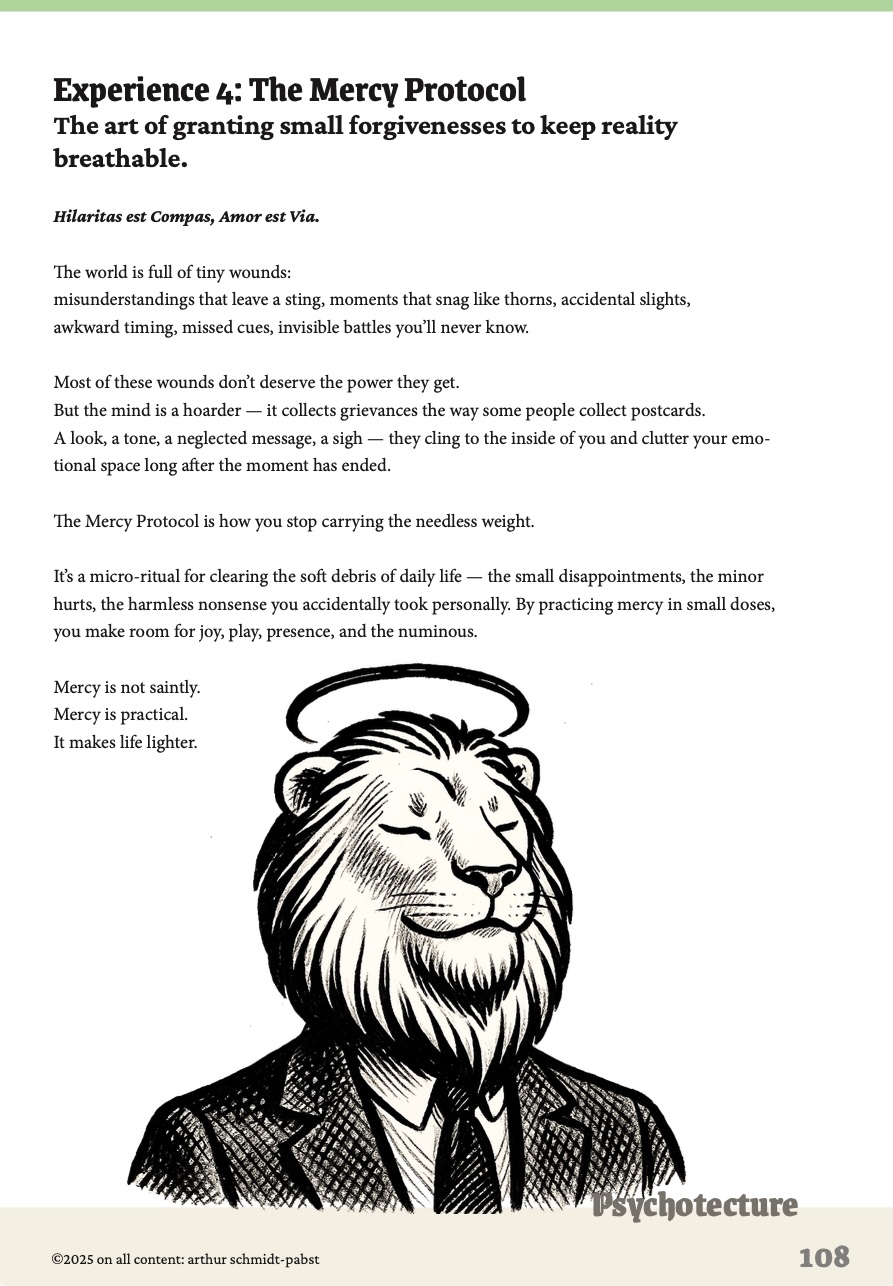
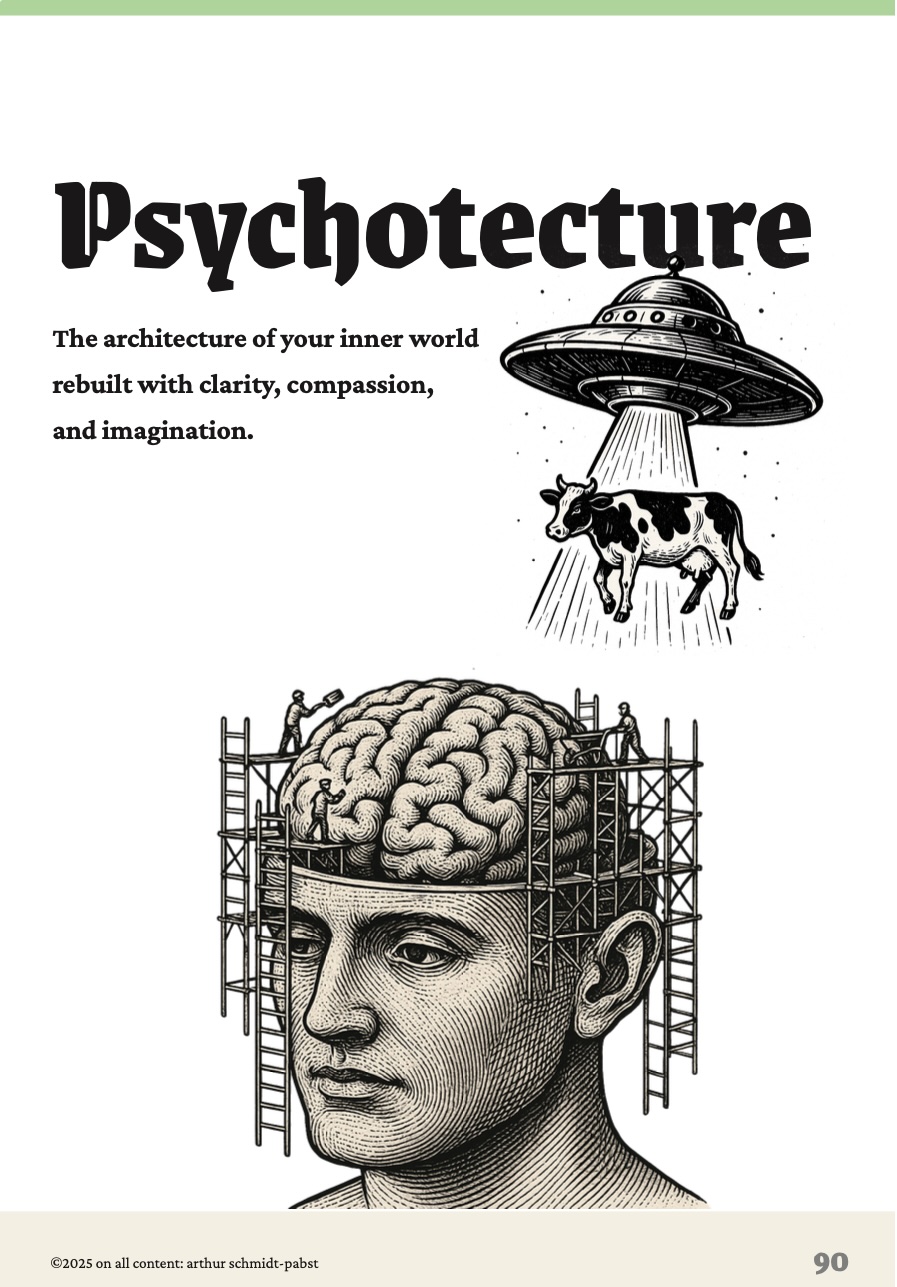
Includes: 12-card consistency grid · selection misses · layout integration proof.
6. Tools
Sora — candidate generation under strict style constraints (high rejection rate by design)
ChatGPT + Claude — drafting support and structure for handbook + course content (human-edited for voice + coherence)
Illustrator — template system, marks, borders, production assets
InDesign — editorial layout and consistency at long-form scale
Arthur — art direction, prompt briefs, curation, system design, editorial integration